EVs to Dominate: Electric Cars, Buses & Vans Reshape Transport by 2040
The global transport landscape is on the cusp of an unparalleled transformation, driven by an accelerating shift towards electrification. What began as a niche market for early adopters is now blossoming into a full-scale
electric transport revolution, poised to redefine how we move people and goods across roads, rails, skies, and seas. By 2040, electric vehicles (EVs) are projected to command the lion's share of passenger car and bus sales, while making significant inroads into commercial segments, painting a vivid picture of a cleaner, quieter, and more sustainable future. This isn't merely a technological upgrade; it's an economic, environmental, and societal paradigm shift.
The Road Ahead: EVs Paving the Way for Personal and Public Transit
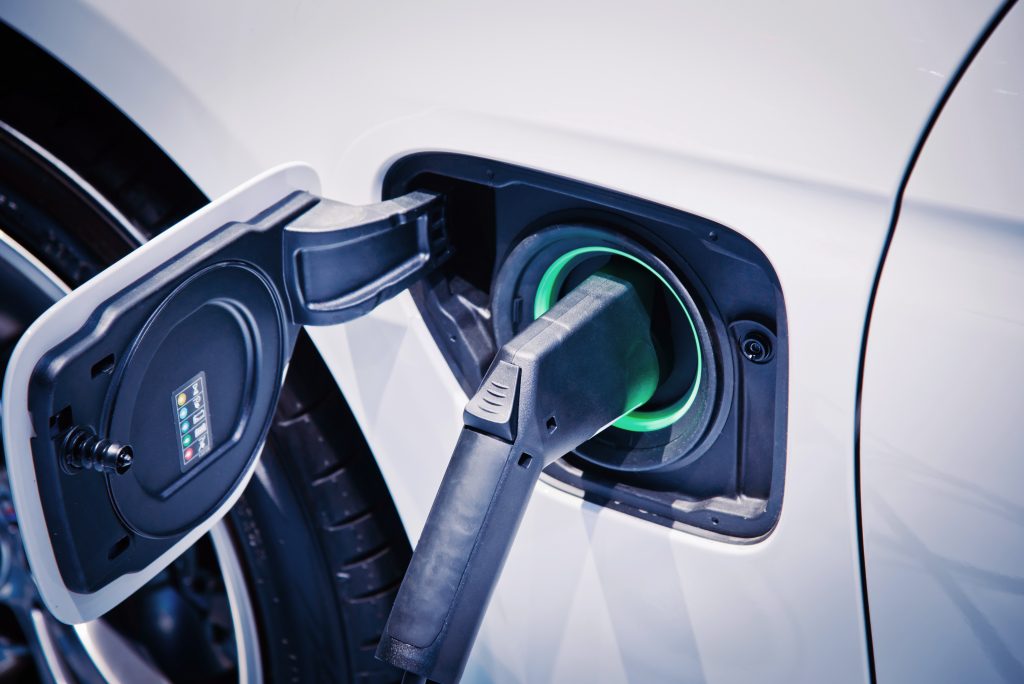
The most visible front of the electric transport revolution is undoubtedly on our roads. From personal cars to public buses and commercial vans, electric models are rapidly gaining traction, driven by advancements in battery technology, declining costs, and growing environmental awareness. According to BloombergNEF (BNEF), a leading research firm, electric vehicles are on track to capture an astounding 57% of global passenger car sales by 2040. This projection, already an increase from previous forecasts, underscores the exponential growth and mainstream acceptance of EVs as a viable and preferred mode of personal transport.
Beyond individual car ownership, the public transit sector is also experiencing a profound electric transformation. Electric buses, known for their zero tailpipe emissions and quieter operation, are set to dominate municipal fleets, with BNEF forecasting them to account for 81% of municipal bus sales by 2040. This shift promises cleaner air in urban centers and a more pleasant public transport experience for millions. The economic case for electric buses is compelling, with lower fuel and maintenance costs often offsetting higher upfront purchase prices over their lifespan.
The commercial vehicle market, crucial for logistics and trade, is not immune to this electrifying trend. For the first time, detailed forecasts reveal electric models taking a significant chunk of light and medium commercial vehicle sales. Within the next two decades, electric light commercial vehicles are expected to represent 56% of sales in key markets like Europe, the U.S., and China, while medium commercial vehicles will see an impressive 31% electrification. This expansion into commercial fleets will have a ripple effect, streamlining supply chains, reducing operational costs for businesses, and further reducing the carbon footprint of goods transport. For businesses considering the switch, understanding government incentives, optimising charging infrastructure for fleet management, and calculating total cost of ownership (TCO) are critical steps. The benefits extend beyond economics, enhancing corporate sustainability profiles and potentially attracting environmentally conscious customers.
Beyond the Roads: Electrifying Rail for a Greener Future
While EVs grab headlines, the electrification of rail has a much longer history, yet it continues to evolve as a vital component of the broader electric transport revolution. Trains are already celebrated as one of the most energy-efficient modes of long-distance transport, and electrified railways are commonplace in many parts of the world, with Japan's famously fast and reliable Shinkansen lines serving as a prime example of their efficiency and speed.
Despite this established presence, progress continues to be made. Innovations are now focusing on enhancing the sustainability and autonomy of rail networks. One exciting development involves enabling the sector to directly utilise solar energy, bypassing the national power grid for certain operations. This concept promises dual benefits: significant cost savings through reduced reliance on grid electricity and an even lower carbon footprint for rail travel. Imagine trains powered by dedicated solar farms along their routes, creating a truly self-sufficient and green transport artery. Governments and railway operators worldwide are exploring how to integrate renewable energy sources more deeply into railway operations, further cementing rail's role as a cornerstone of sustainable transportation. The synergy between renewable energy and electrified rail holds immense potential for creating truly green corridors for passengers and freight.
Charting New Waters and Soaring to New Heights: Electric Aviation and Maritime
The ambition of the electric transport revolution extends far beyond land-based vehicles, with considerable excitement and innovation buzzing within the aviation and maritime industries. These sectors, traditionally reliant on fossil fuels, are now actively exploring electric alternatives to meet ambitious decarbonisation targets. For a deeper dive into these fascinating developments, you can explore our related article:
Electric Skies & Seas: The Race to Electrify Aviation and Maritime Travel.
Taking Flight: The Dawn of Electric Aviation
Of all transport modes, air travel has arguably made the least progress in electrification, largely due to the formidable challenges of battery weight and energy density required for sustained flight. However, the tide is turning. Major players like Airbus, Rolls-Royce, and Siemens have collaborated to develop the technology for electrically-powered aircraft, demonstrating hybrid-electric concepts. These designs often replace one existing jet engine with an electric unit, leading to "hybrid-electric" aircraft not solely powered by onboard batteries. Paul Stein, Chief Technology Officer at Rolls-Royce, aptly described aviation as "the last frontier of the electrification of transport," highlighting its potential for "greater efficiency and less noise."
Moreover, airlines like UK-based EasyJet are actively pursuing fully electric solutions for short-haul routes. Teaming up with US firm Wright Electric, EasyJet aims to fly battery-powered aircraft within a decade, targeting routes such as London to Paris, Amsterdam, and Edinburgh to Bristol. Wright Electric’s goal of a 335-mile range could cover approximately a fifth of EasyJet’s current passenger journeys. While the primary hurdle remains making lithium-ion batteries light and safe enough for aviation, the benefits are substantial: a significant reduction in CO2 and nitrogen oxide emissions, along with dramatically quieter operations, helping the industry meet stringent EU targets. This innovative push represents the next crucial step in making air travel significantly less harmful to the environment.
Navigating Towards an Electric Ocean: Maritime Electrification
The maritime industry is also making waves with its commitment to electrification, driven by international pressure to cut carbon dioxide emissions under the Paris Agreement goals. Innovation is flourishing globally as businesses seek cleaner ways to transport goods and passengers across waterways.
We're already seeing small fleets of battery-powered boats operating in sensitive environments like fjords and inland waterways, demonstrating the practicality of electric propulsion for specific applications. A standout example is the Dutch company Port-Liner, which is developing the first fully-electric, emission-free barges for European waterways, affectionately dubbed 'Tesla' ships. These vessels promise to revolutionise inland shipping, reducing air pollution and noise in densely populated areas. The move towards electrified shipping is not just about environmental compliance; it’s about creating more efficient, quieter, and ultimately more sustainable maritime operations for the future. For more insights into how these changes are reshaping the broader transport ecosystem, explore our article:
Electric Transport Revolution: Beyond EVs to Power Trains, Planes, and Boats.
The Path to 2040: Opportunities and Challenges for the Electric Transport Revolution
The journey to an electrified transport future by 2040 is filled with immense opportunities but also significant challenges. The environmental benefits are clear: reduced greenhouse gas emissions, improved urban air quality, and quieter communities. Economically, the shift fosters new industries, creates jobs, and offers long-term operational savings due to lower "fuel" costs and reduced maintenance. Furthermore, increased energy independence, especially when paired with renewable energy generation, strengthens national security and resilience.
However, realizing the full potential of this
electric transport revolution requires proactive planning and investment. Key challenges include the substantial upfront investment needed for charging and refueling infrastructure, ensuring grid capacity can handle increased demand, and securing the raw materials for battery production sustainably. Ethical sourcing of minerals, responsible recycling of end-of-life batteries, and maintaining consistent policy support are all crucial considerations. For individuals and businesses, understanding the nuances of charging infrastructure, battery longevity, and local incentives remains vital for smooth adoption. Governments must collaborate internationally to standardise charging technologies, streamline regulatory frameworks, and foster public-private partnerships to accelerate infrastructure deployment and address supply chain vulnerabilities. The interconnectedness of different transport modes and energy sectors means that holistic strategies, rather than isolated efforts, will be key to overcoming these hurdles.
Conclusion
The vision of electric cars, buses, and vans dominating our roads by 2040 is no longer a distant fantasy but a rapidly approaching reality. Coupled with the relentless progress in electrifying rail, aviation, and maritime transport, the world is witnessing an irreversible
electric transport revolution. This profound shift promises a future where mobility is not only efficient and accessible but also fundamentally sustainable, contributing to cleaner air, quieter cities, and a healthier planet. While challenges remain, the collective ingenuity and commitment of innovators, industries, and governments are paving the way for a truly transformative era in global transportation.