The global shift towards sustainable energy sources is dramatically reshaping every facet of our lives, and few sectors are undergoing as profound a transformation as transportation. While electric vehicles (EVs) have rightfully captured headlines and consumer interest, the electric transport revolution extends far beyond our roads. From the powerful locomotives crisscrossing continents to the silent hum of planes and the tranquil journeys of boats, electricity is charting a course to decarbonize virtually every mode of travel. This comprehensive overhaul promises not only a cleaner planet but also quieter cities, more efficient logistics, and innovative new ways to connect the world.
The Road Ahead: EV Dominance and the Blueprint for Change
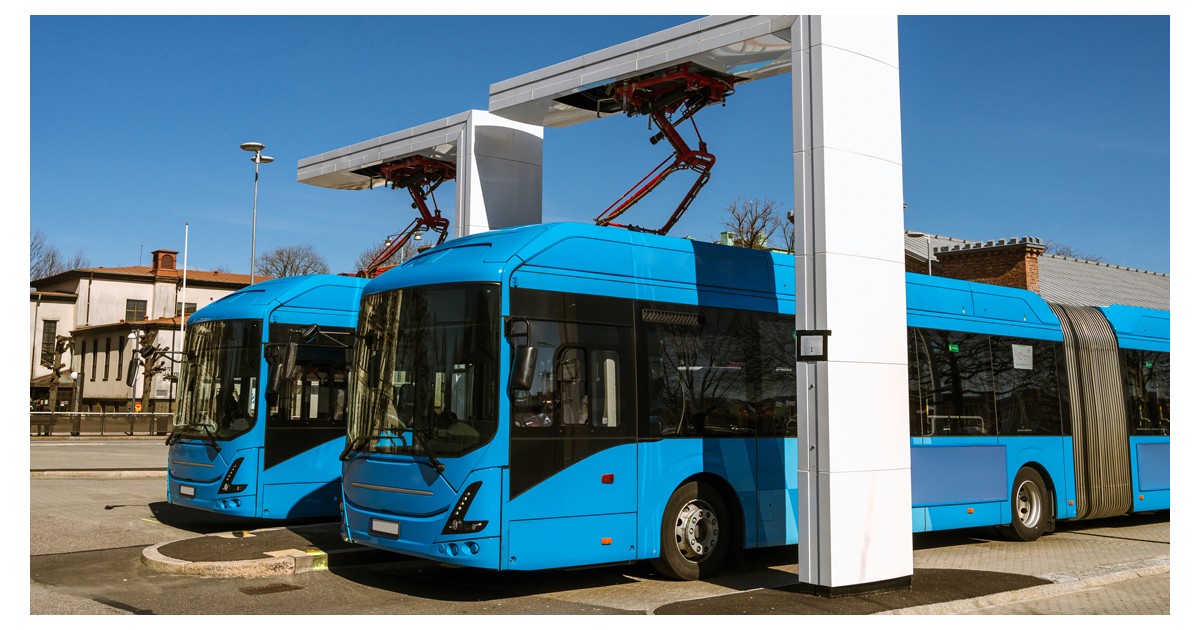
The most visible vanguard of the electric transport revolution is undoubtedly the electric vehicle. Forecasts from leading research firms like BloombergNEF (BNEF) predict an overwhelming market dominance for EVs, projecting that they will account for 57% of global passenger car sales by 2040. This isn't just about personal cars; electric buses are expected to command a staggering 81% of municipal bus sales by the same year, and electric models are set to take significant chunks of the light and medium commercial vehicle markets in major economies like Europe, the U.S., and China.
This rapid adoption is driven by a confluence of factors: plummeting battery costs, improving range, expanding charging infrastructure, and increasing regulatory pressure for cleaner air. The success of EVs on land provides a critical blueprint and proof-of-concept for the electrification of other, more complex transport systems. It demonstrates the technical viability, economic benefits, and societal demand for electric alternatives. Furthermore, the advancements in battery technology, power electronics, and charging networks developed for road transport are directly transferable, accelerating progress in other sectors. For a deeper dive into how this transformation is unfolding on the ground, explore our article: EVs to Dominate: Electric Cars, Buses & Vans Reshape Transport by 2040.
Practical Tip: As personal and commercial EVs become ubiquitous, governments and urban planners must prioritize the development of smart charging infrastructure. This includes not just public charging stations but also integrating charging solutions into residential, commercial, and logistics hubs to manage grid demand efficiently and ensure seamless adoption.
On Track for a Greener Future: Electrifying Rail
While the buzz around EVs is relatively recent, the electrification of rail transport has a much longer, albeit less public, history. Trains are already celebrated as one of the most energy-efficient modes of long-distance transport, and electric trains are commonplace in many parts of the world. Iconic examples like Japan's Shinkansen railways epitomize the speed, reliability, and efficiency that electric rail can offer.
However, the journey towards full decarbonization of rail is far from over. Significant advancements are still being made to enhance the sector's sustainability. A promising innovation is the integration of direct solar energy to power trains, offering an alternative to relying solely on national power grids. This concept not only promises greater cost-effectiveness by reducing dependence on fluctuating electricity prices but also drastically lowers the carbon footprint of rail transport.
Benefits of an Electrified Rail Network:
- Reduced Emissions: Eliminating diesel locomotives directly cuts greenhouse gas and particulate emissions, especially in urban areas.
- Lower Operating Costs: Electricity is often cheaper and more stable in price than diesel fuel, leading to long-term savings.
- Quieter Operations: Electric trains generate significantly less noise than their diesel counterparts, improving quality of life for communities near rail lines.
- Increased Efficiency: Electric motors are more efficient at converting energy into motion, and regenerative braking can recover energy.
- Enhanced Passenger Experience: Smoother, quieter rides contribute to greater passenger comfort.
Actionable Advice: Rail operators and infrastructure developers should actively explore and invest in decentralized renewable energy solutions, such as trackside solar farms or partnerships with large-scale renewable projects, to feed power directly into the rail grid. This creates a more resilient, cost-effective, and environmentally friendly rail system.
Soaring to New Heights: Electric Aviation's Ascent
Of all transport modes, air travel has traditionally posed the greatest challenge for electrification due to the stringent demands for power-to-weight ratios and energy density. Aviation has made the least progress in electrification, earning it the moniker of the "last frontier." Yet, the tide is turning, and the potential for an electric-powered future for flight is becoming increasingly real.
Major players like Airbus, Rolls-Royce, and Siemens have joined forces to develop the necessary technology for electrically-powered aircraft, with demonstrator flights already underway. These initial hybrid-electric designs typically involve replacing one of a conventional jet's engines with an electric unit, significantly reducing emissions and noise. Paul Stein, Chief Technology Officer at Rolls-Royce, aptly noted that "Aviation is the last frontier of the electrification of transport. It could lead to a step change in the way we fly with greater efficiency and less noise."
For shorter routes, direct battery-powered aircraft are also on the horizon. UK-based airline EasyJet, in collaboration with US firm Wright Electric, aims to fly electric planes within a decade. Their focus is on short-haul routes like London to Paris or Edinburgh to Bristol, targeting an aircraft range of about 335 miles, which covers a substantial portion of EasyJet's passenger journeys. The primary hurdle remains making lithium-ion batteries light and safe enough for the rigorous demands of aviation.
Electrifying aviation is crucial for meeting ambitious environmental targets, such as the EU's goals of a 60% reduction in CO2 emissions by 2020 (a precursor to more aggressive future targets), 90% less nitrogen oxides, and a 75% noise reduction. The benefits extend beyond compliance, offering airlines potential fuel savings and passengers a quieter, smoother travel experience. Dive deeper into the innovative strides being made in air and sea travel with our detailed article: Electric Skies & Seas: The Race to Electrify Aviation and Maritime Travel.
Insight: The advancements in aerospace electrification are not limited to large passenger planes. They also pave the way for exciting innovations in urban air mobility (UAM), potentially revolutionizing short-distance city travel with electric vertical take-off and landing (eVTOL) aircraft.
Navigating Towards Sustainability: Electric Maritime Transport
The maritime industry, a cornerstone of global trade, is also experiencing a significant wave of innovation driven by the looming Paris Agreement goals to drastically cut carbon dioxide emissions. The "buzz" around electric vessels is growing louder, transitioning from niche applications to more mainstream solutions.
Small fleets of battery-powered boats are already making an impact in sensitive ecosystems like fjords and inland waterways, where their zero-emission, quiet operation is invaluable. These vessels demonstrate the viability of electric propulsion for specific operational profiles.
A particularly exciting development comes from Dutch company Port-Liner, which is preparing to launch Europe's first fully-electric, emission-free barges. Dubbed 'Tesla' ships, these vessels will navigate inland waterways, significantly reducing pollution and noise in critical transport corridors. Such initiatives prove that even heavy-duty maritime transport can be decarbonized, at least for shorter and more predictable routes.
Challenges and Opportunities in Maritime Electrification:
- Battery Size & Weight: For long-haul ocean voyages, the sheer energy demands make full battery-electric propulsion challenging.
- Charging Infrastructure: Ports will need to evolve into sophisticated charging hubs for electric fleets.
- Hybrid Solutions: For larger vessels, hybrid-electric systems combining batteries with alternative fuels (like green hydrogen or ammonia) are likely near-term solutions.
- Regulatory Push: International maritime organizations are increasingly setting stricter emission standards, accelerating innovation.
Fact: The electrification of smaller vessels, ferries, and tugboats is already proving economically viable due to predictable routes, shorter distances, and the ability to charge overnight or at designated stops.
Overcoming Hurdles and Powering the Future
While the electric transport revolution is undeniably gaining momentum across all sectors, it's not without its challenges. The scale of transformation requires immense investment, continuous technological innovation, and robust policy support.
- Energy Infrastructure: The widespread adoption of electric transport will place significant demands on national power grids. Investing in smart grid technologies, energy storage solutions, and a massive expansion of renewable energy generation is paramount.
- Battery Technology: Further advancements in battery energy density, charging speed, lifespan, and safety are crucial, especially for aviation and heavy-duty maritime applications. The development of efficient battery recycling programs is also vital for sustainability.
- Standardization and Interoperability: Ensuring universal charging standards and seamless integration across different vehicle types and geographies will accelerate adoption and reduce friction.
- Policy and Regulation: Governments play a critical role in incentivizing research and development, providing subsidies for adoption, and establishing clear regulatory frameworks that support the transition away from fossil fuels.
The combined effort of innovators, policymakers, and consumers is essential to navigate these hurdles. By fostering collaboration and embracing a holistic approach that integrates clean energy generation with efficient transport systems, we can truly unleash the full potential of the electric transport revolution.
The vision of electrified transport, once a far-flung fantasy for many, is rapidly becoming a tangible reality. EVs and electrified rail are leading the charge, but the electrifying currents are now flowing through the skies and across the seas. This monumental shift promises a future where mobility is not just about getting from point A to point B, but doing so in a way that respects our planet, reduces our dependence on finite resources, and enhances the quality of life for all. The electric transport revolution is a journey, not a destination, and the path ahead promises to be as innovative and exciting as the progress we've already witnessed.